

America First Seafood Strategy Charts Course to Restoring U.S. Seafood Dominance
WASHINGTON – In honor of National Seafood Month, the White House unveiled the historic America First Seafood Strategy, outlining a whole-of-government approach to revitalize the U.S. fishing industry by removing foreign trade barriers and unlocking new markets for U.S. fishermen. Under President Trump’s leadership, U.S. seafood exports reached $5.53 billion in 2025, increasing 12% compared to 2024, and many of our trading partners have committed to remove trade barriers that undercut our global competitiveness. U.S. seafood exports are continuing to trend upwards in 2026.
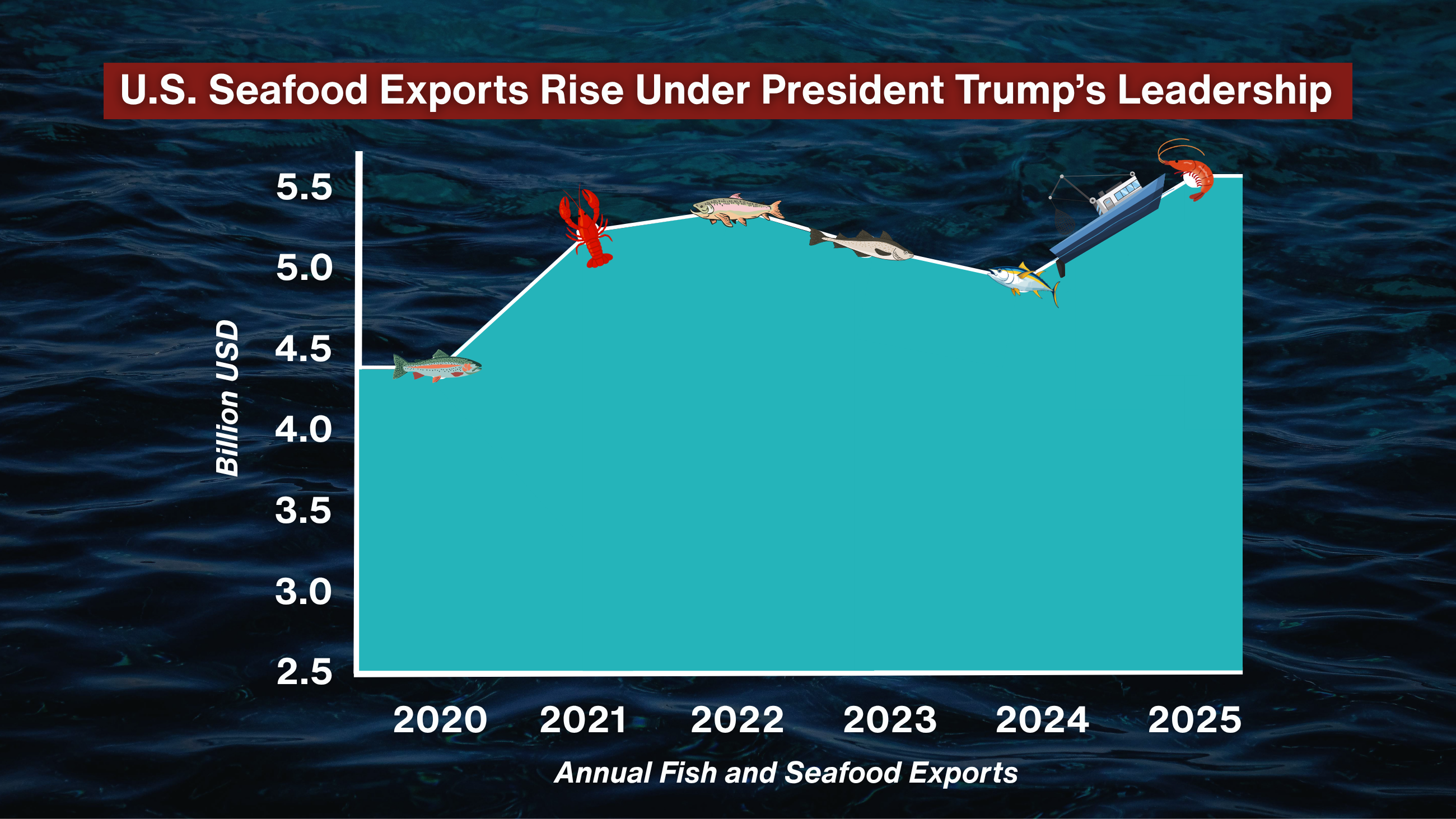
REELING IN THE WINS: The Trump Administration continues to secure new and enforce existing commitments from key trading partners to combat illegal, unreported, and unregulated (IUU) fishing, prevent forced labor on the high seas, and address harmful fisheries subsidies and other practices that distort markets and decimate the U.S. seafood industry.
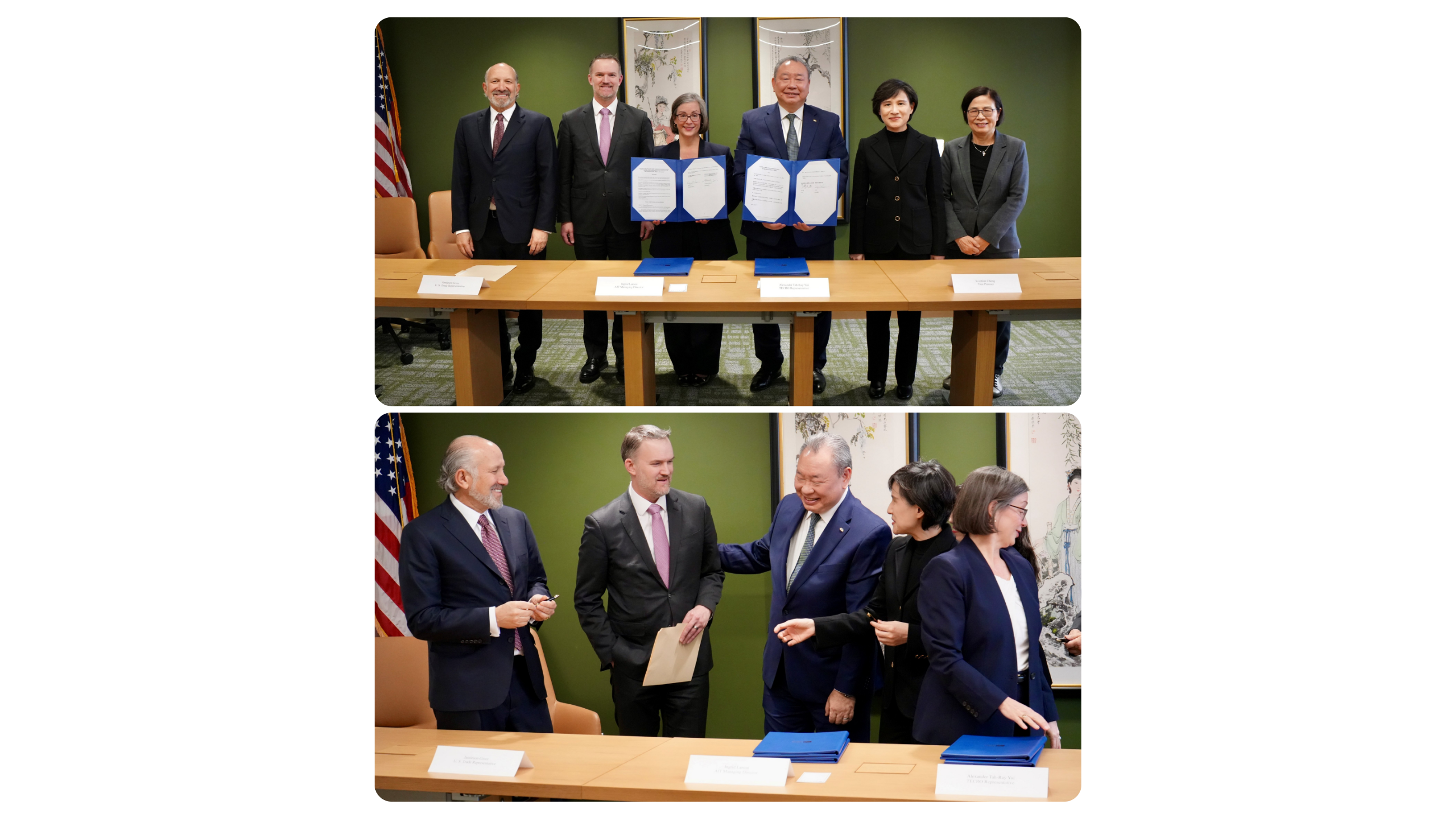
- Taiwan committed to ensure that its fisheries subsidies do not contribute to overcapacity and overfishing and address violations of internationally recognized labor rights on board commercial fishing vessels. Read the Agreement on Reciprocal Trade with Taiwan here.
- Argentina, Bangladesh, Ecuador, and Indonesia committed to combat IUU fishing, deter trade in IUU fishing-derived products, and address harmful fisheries subsidies through the use of robust fisheries management regimes. Read the Agreements on Reciprocal Trade with those countries here.
- USTR continues to engage and closely monitor Mexico’s implementation of its United States-Mexico-Canada Agreement (USMCA) fisheries-related environmental obligations, including its commitments to prevent illegal fishing in the Upper Gulf of California.
FOREIGN TRADE PRACTICES PUT AMERICAN FISHERMEN ON THE HOOK: The United States is a global leader in responsibly managed fisheries and sustainable seafood — U.S. fisheries are scientifically monitored and legally enforced under 10 national standards of sustainability. Illegally caught and heavily subsidized foreign seafood, including seafood caught using forced labor on fishing vessels, are undercutting American fishermen that play by the rules.
Every year, global losses from IUU fishing reach an estimated $50 billion with U.S. industry absorbing a major portion of that financial burden. In the America First Seafood Strategy, USTR spotlighted foreign trade barriers and distortive subsidies that continue to limit opportunities for U.S. seafood producers in key export markets.
- Japan imposes tariffs of up to 10% and enforces import quotas that disadvantage American exporters relative to competitors that benefit from preferential market access.
- The EU CATCH scheme imposes burdensome documentation and reporting requirements on U.S. fishermen despite the United States’ strong fisheries management and enforcement regime and safeguards against IUU fishing.
- India’s substantial fisheries subsidy program and Vietnam’s IUU fishing practices directly impact U.S. fishermen and supply chains, exporting seafood to the United States at lower-than-market prices.
PUTTING AMERICAN FISHERMEN FIRST: President Trump’s trade policies will continue to expand market access for the 8.4 billion pounds of U.S. caught seafood each year and protect the 1.7 million jobs supported by America’s seafood industry.
- The future of seafood in the United States will be built by American fishermen, American workers, and American industry—not illegally-caught and heavily-subsidized foreign imports.
- In collaboration with other federal agencies, USTR will continue to use negotiations and enforcement tools to open new markets for U.S. exports and remove foreign trade that distort seafood trade and disadvantage U.S. fishermen.
###
Legal Disclaimer:
EIN Presswire provides this news content "as is" without warranty of any kind. We do not accept any responsibility or liability for the accuracy, content, images, videos, licenses, completeness, legality, or reliability of the information contained in this article. If you have any complaints or copyright issues related to this article, kindly contact the author above.
