
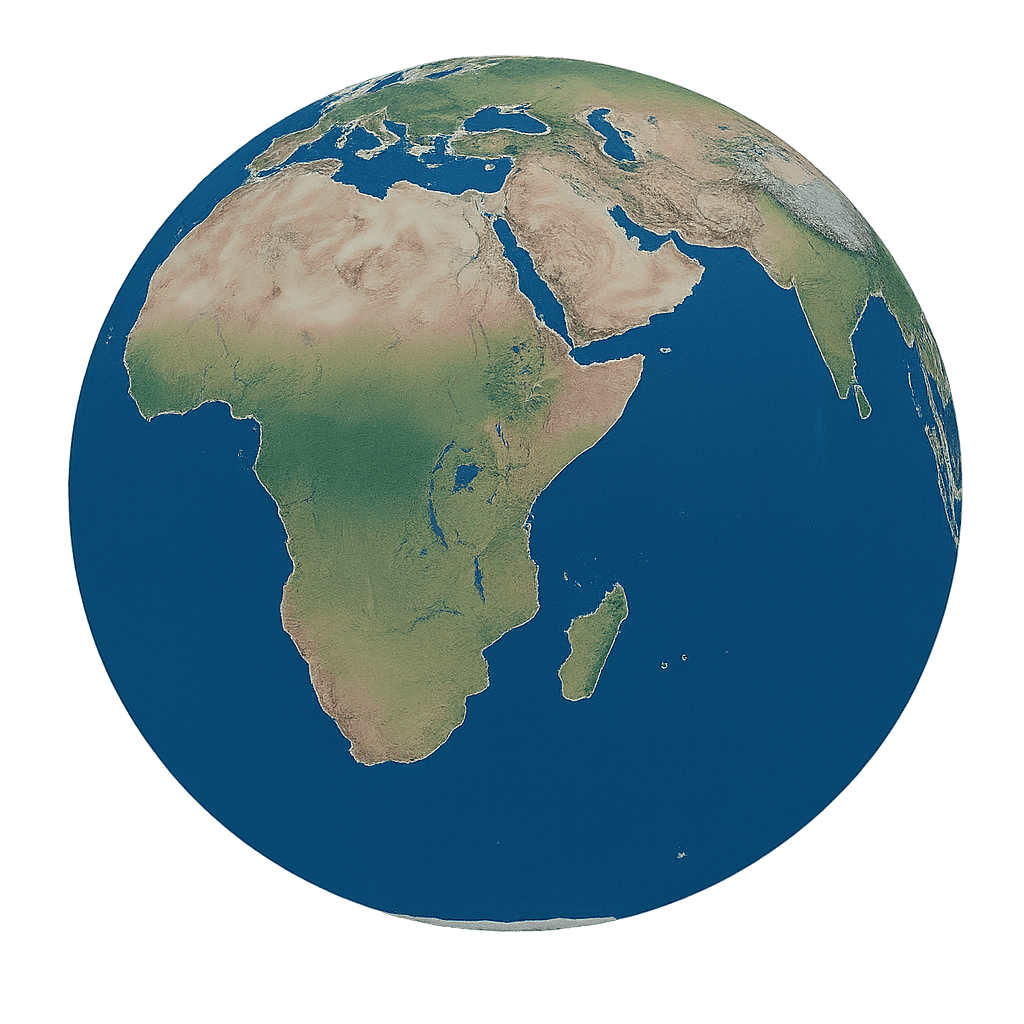
Earth Overshoot Day falls on July 30 in 2026
Global Footprint Network says humanity will exhaust Earth’s annual ecological budget by July 30, with the largest overshoot ever measured on a consistent data set. A companion report finds most governments are not treating resource security as a core economic risk, even as overshoot drives inflation, food and energy insecurity, health crises and conflict.
Why it matters: - Earth Overshoot Day marks the point when humanity’s demand on nature exceeds what Earth can regenerate in a year. - Global Footprint Network says the 2026 date lands on July 30, showing humanity is using nature 73% faster than ecosystems can recover. - The overshoot translates to living as if the world had 1.73 Earths. - The report says overshoot worsens long-term economic security and can feed stagflation, food insecurity, energy insecurity, health crises and conflict.
What happened: - Global Footprint Network said Earth Overshoot Day 2026 falls on July 30. - The organization said the later date does not reflect lower resource use. - A revised estimate of the oceans’ carbon-absorption capacity moved the date eight days later. - Smaller data adjustments added more time, while real growth in overshoot over the past year moved the date two days earlier. - The net result was a date six days later than in 2025. - On a consistent data set, this year’s overshoot is the largest ever recorded.
The details: - Cars, power plants and factories emit more CO₂ than the biosphere can absorb. - Freshwater use exceeds natural replenishment. - Tree harvesting outpaces regrowth. - Fish catch levels are higher than stocks can replenish. - The report says overuse depletes natural capital. - The report says the depletion threatens long-term economic security worldwide. - The overshoot date has stayed within a narrow window for more than 15 years. - The damage is cumulative, meaning each year adds to existing ecological debt even if the date barely moves. - Since the early 1970s, humanity’s demand has exceeded biocapacity, the planet’s ability to regenerate resources and ecological services. - Global Footprint Network and Greenings used a review framework across four large language models and verified results against published policy documents. - The analysis examined which countries recognize overshoot as an economic threat and how far their policies go to prepare for it. - The report found most countries treat sustainability as a side issue rather than a structural risk to growth, fiscal stability and long-term competitiveness. - The report found no country fully connects economic planning to physical resource limits. - None of the national strategies analyzed meaningfully address overshoot risks. - China’s current five-year plan received the highest score, but the report says it still falls short of an adequate response. - Argentina’s national strategy documents ranked lowest among the documents reviewed. - The European Union scored lower than its sustainability reporting record would suggest, pointing to a gap between public commitments and economic planning. - The report’s authors recommend that every country set up a task force or parliamentary commission to map resource dependencies, financial exposure and resilience options before the next resource shock. - The full report is available here. - The calculation method is available here. - Past Earth Overshoot Days are available here. - Visual materials are available here.
Between the lines: - The report frames overshoot as a planning failure, not just an environmental problem. - The main gap, in the report’s view, is that governments acknowledge sustainability publicly but do not build it into the economic decisions that shape national resilience. - The findings suggest countries may be underestimating resource security as a driver of inflation, public health stress and geopolitical risk. - The report also implies that nations relying on current planning models could be exposed when the next resource shock hits.
What’s next: - Global Footprint Network says more than 100 already available options could help end overshoot by design. - Those options span cities, energy, food, population and planet. - The organization says cutting CO₂ emissions from fossil fuel burning by 50% would move the date back by three months. - The report says some businesses already “#MoveTheDate” while growing. - The organization says regions, cities, companies and countries that have not prepared for resource constraints face higher risks.
Disclaimer: This article was produced by AGP Wire with the assistance of artificial intelligence based on original source content and has been refined to improve clarity, structure, and readability. This content is provided on an “as is” basis. While care has been taken in its preparation, it may contain inaccuracies or omissions, and readers should consult the original source and independently verify key information where appropriate. This content is for informational purposes only and does not constitute legal, financial, investment, or other professional advice.
Sign up for:
Business Monitor Argentina
The daily local news briefing you can trust. Every day. Subscribe now.
Check Your Email!
We sent a one-time activation link to: .
Confirm it's you by clicking the email link.
If the email is not in your inbox, check spam or try again.
Welcome back!
is already signed up. Check your inbox for updates.